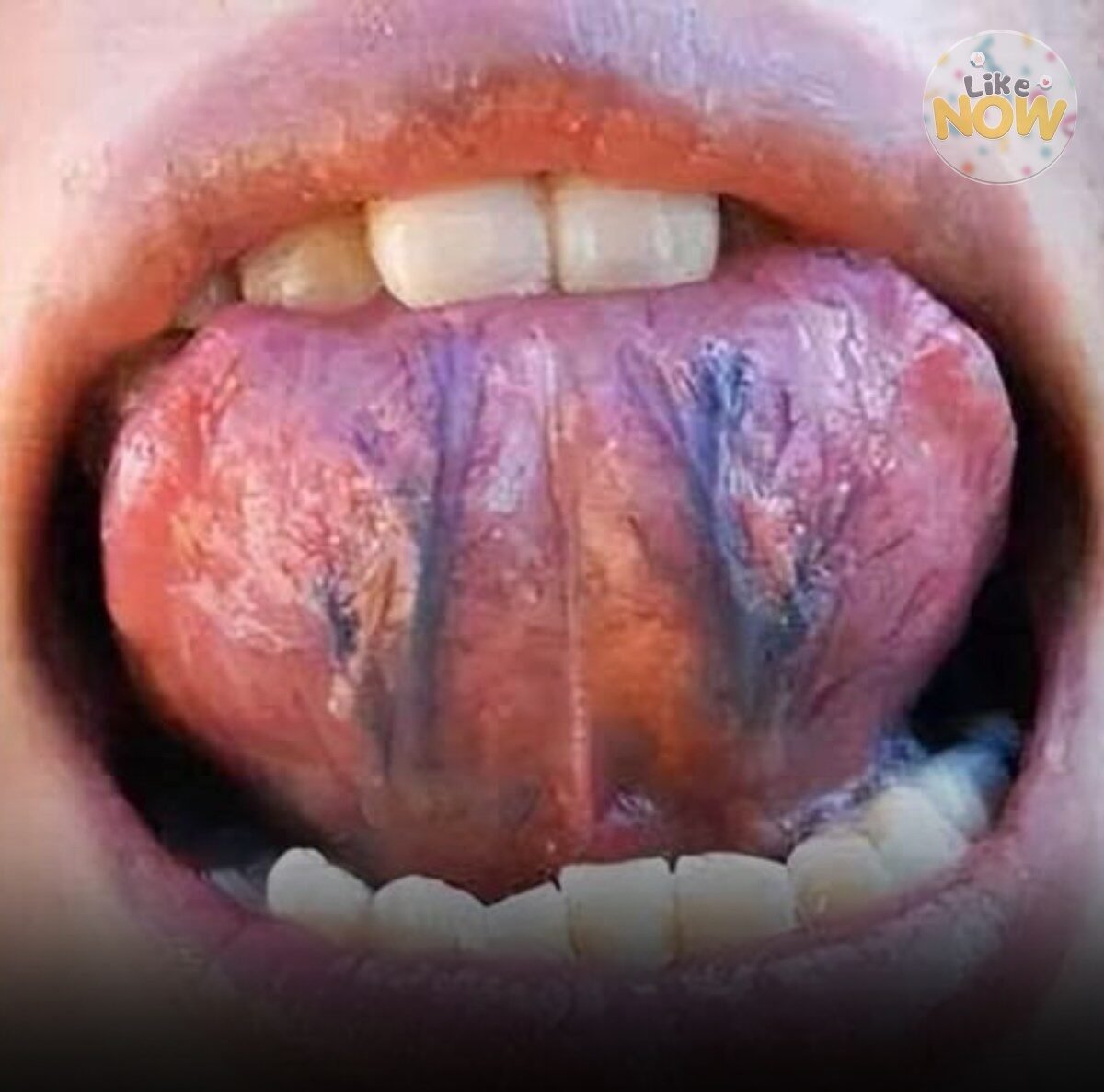
😮 A Tiny Detail in Your Mouth Could Reveal Big Health Issues…
Most people don’t think twice about what’s happening inside their mouth—beyond brushing, flossing, and the occasional dental visit. But what if a small, easily overlooked detail in your mouth could be a warning sign of something much bigger?
Your mouth is more than just the starting point of your digestive system. It’s a window into your overall health. In fact, many serious health conditions can first show subtle symptoms right inside your mouth—long before you notice anything else.
Let’s uncover how this tiny detail could be trying to tell you something important.
 Your Mouth: A Mirror of Your Health
Your oral health is deeply connected to the rest of your body. Dentists often notice signs of underlying conditions during routine checkups, sometimes before patients experience any major symptoms.
Issues like inflammation, unusual spots, persistent bad breath, or bleeding gums aren’t always just dental problems. They can be early indicators of broader health concerns.
Ignoring these signs might mean missing the chance to catch a problem early—when it’s easier to manage.
 Your Tongue Tells a Story
Your tongue can reveal more than you might expect.
A bright red tongue might suggest a deficiency in essential nutrients. A pale tongue could point to low iron levels. A thick coating might indicate poor oral hygiene or an imbalance in your system.
Even small cracks or changes in texture can provide clues about your overall health.
Taking a moment to check your tongue in the mirror could give you insights you didn’t expect.
 Persistent Bad Breath Isn’t Always About Food
Bad breath happens to everyone occasionally. But if it becomes constant, it may be more than just a result of what you ate.
Chronic bad breath can be linked to:
- Gum disease
- Infections
- Digestive issues
- Dry mouth
It’s your body’s way of signaling that something isn’t quite right.
 When to Take Action
It’s easy to ignore small changes, especially when they don’t cause pain. But early signs are often subtle.
You should consider seeking professional advice if you notice:
- Sores that last more than two weeks
- Unusual lumps or patches
- Ongoing bleeding or swelling
- Persistent dryness or discomfort
Early detection can make a significant difference in managing potential health issues.
 Simple Habits That Protect More Than Your Smile
Taking care of your mouth isn’t just about having a bright smile—it’s about protecting your overall health.
Here are a few simple habits that can make a big impact:
- Brush twice a day with proper technique
- Floss daily to remove hidden debris
- Stay hydrated to maintain saliva production
- Visit a dental professional regularly
These small steps can help you catch issues early and maintain both oral and overall health.
 The Bigger Picture
Your body is constantly communicating with you. The challenge is learning how to listen.
That tiny detail in your mouth—the one you might normally ignore—could be an early warning sign of something more serious. Paying attention doesn’t mean worrying about every little change, but it does mean staying aware.
Health problems often don’t appear overnight. They develop gradually, giving you subtle clues along the way.
 The Tiny Detail You Shouldn’t Ignore
One of the most overlooked warning signs is changes in your gums, tongue, or inner cheeks.
For example:
- Gums that bleed easily
- White or red patches inside the mouth
- Persistent sores that don’t heal
- A swollen or unusually smooth tongue
These might seem minor, but they can signal deeper issues.
Even something as simple as chronic dry mouth can indicate problems with hydration, medication side effects, or underlying conditions affecting your body’s systems.
 What Your Gums Might Be Saying
Bleeding or inflamed gums are often linked to gum disease—but the story doesn’t stop there.
Research has shown connections between gum health and conditions such as heart issues and metabolic disorders. Inflammation in the gums can reflect inflammation elsewhere in the body.
If your gums frequently bleed when brushing or flossing, it’s worth paying attention. It might not just be about brushing technique—it could be your body sending a signal.