8 Alarming Skin Signs You Can’t Ignore
Your skin can reveal a lot about your internal health. These symptoms might look minor — but they could be early warnings of something more serious:
1. Yellowing of the Skin (Jaundice)
2. Dark, Velvety Patches (Acanthosis Nigricans)
May be linked to insulin resistance, prediabetes, or hormonal disorders.
3. Unexplained Bruising
Could indicate blood clotting problems, vitamin deficiencies, or even leukemia.
4. Butterfly Rash Across Cheeks & Nose
A classic symptom of lupus or other autoimmune conditions.
5. Itchy, Persistent Rash
May be a sign of celiac disease, liver/kidney issues, or even lymphoma.
6. Sudden or Asymmetrical Moles or Skin Growths
Might be early signs of melanoma. Use the ABCDE rule: Asymmetry, Border, Color, Diameter, Evolving.
7. Dry, Scaly Patches
Could relate to thyroid issues, eczema, or even skin cancer.
8. Pitted or Discolored Nails
Often linked to psoriasis, fungal infections, or iron deficiency.
When in doubt, get it checked out.
Early detection can save lives — especially when it comes to skin and systemic conditions.
Our skin is a vital organ that deserves our attention and care. While it’s normal to experience occasional skin issues, there are certain signs that should never be ignored. These alarming skin signs can indicate underlying health problems that require prompt medical attention.
One of the most concerning skin signs is the sudden appearance of dark spots that rapidly grow or change. These unexplained dark patches can be a symptom of skin cancer or other serious health conditions. Another alarming sign is the presence of non-healing sores that persist for weeks. These sores can be a sign of infection, diabetes, or skin cancer.
New moles that change shape, size, or color quickly are also a cause for concern. These changing moles can be a sign of skin cancer, and it’s essential to have them checked by a dermatologist. Itchy, scaly patches that peel or flake are another skin sign that should not be ignored. These patches can be a symptom of skin conditions like eczema, psoriasis, or dermatitis.
Swelling with pain, blistering rashes, and skin thickening are also alarming skin signs that require medical attention. Swelling with pain can be a sign of infection or allergic reaction, while blistering rashes can indicate autoimmune disorders or skin conditions. Skin thickening without a clear cause can be a sign of skin conditions like scleroderma or skin cancer.
Lastly, yellow skin or eyes, also known as jaundice, can indicate possible liver issues. This skin sign should never be ignored, as it can be a symptom of underlying liver disease or other serious health conditions.
By being aware of these alarming skin signs, you can take proactive steps to protect your health and seek medical attention if necessary. Remember, your skin is a vital organ that deserves your attention and care.
Different people have different reactions to various situations, substances, or environmental factors. This is because each person’s body is unique, shaped by a combination of genetics, lifestyle, diet, and environmental influences.
However, despite these individual differences, it’s important to recognize that the human body functions as a complex, interconnected system.
In such a system, a change or problem in one area can often influence or be linked to another. For example, symptoms that appear unrelated at first—such as fatigue, skin issues, or digestive discomfort—can sometimes point to underlying health conditions.
Because of this interconnectedness, certain signs and symptoms can serve as warning signals, alerting us to possible health concerns before they become more serious.
These signs may be subtle or easily overlooked, but paying attention to them can help us catch imbalances or illnesses in their early stages. By understanding how different parts of our body are related, and by staying in tune with how we feel physically and mentally, we can become more proactive in maintaining our overall well-being. Regular checkups, listening to your body, and seeking medical advice when something feels off are all essential steps in preventing health problems and promoting long-term health.
If topical treatment alone does not improve acne, or if acne is severe or extensive, oral medications are the best option.
If you’ve tried several topical medications without success, or if your condition is severe, oral acne medications are usually the next step in the treatment.
Video source 1:
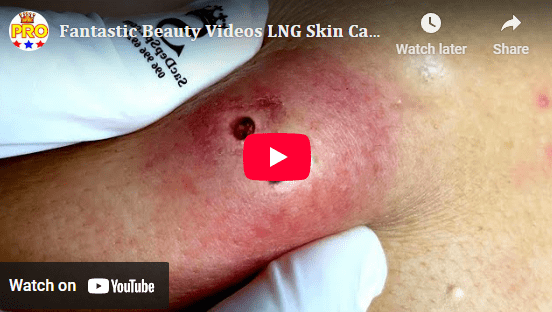
Video source 2
Treatment usually includes oral antibiotics and applying a prescription gel or topical cream to the skin. Depending on people with acne, treatment may include using prescription creams to prevent acne, taking antibiotics to kill bacteria that contribute to acne, or if acne is severe. taking stronger medications such as like isotretinoin, or even minor surgery.
Even if you have tried topical acne treatments such as creams or gels without any lasting results, laser therapy might be the right solution for you. While I would like you to try natural remedies first, if you are not seeing improvement and severe hormone acne is making your quality of life worse, other treatments can make a real difference. While it may take a while, treating hormonal acne from the inside out until your hormones are in their natural happy balance will allow your skin to heal.