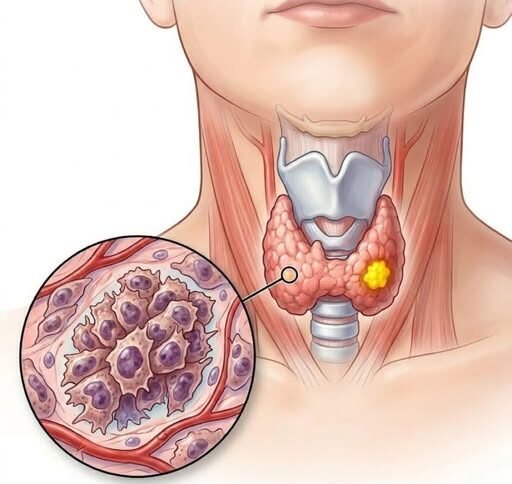
🚨 He Thought It Was Just a Sore Throat… Until Doctors Found Cancer — What They Told Him to Remove From His Fridge Shocked Everyone
When 35-year-old Minh first noticed a persistent sore throat, he didn’t think much of it. Like many busy professionals, he assumed it was just a minor irritation—maybe a cold, stress, or too many late nights. He relied on lozenges, warm drinks, and rest, expecting things to return to normal in a few days.
But they didn’t.
Weeks went by, and the discomfort only got worse. The soreness became more intense, swallowing started to feel uncomfortable, and his voice grew hoarse. Still, like so many people, he delayed seeing a doctor—hoping it would simply go away.
By the time Minh finally decided to visit a specialist, the news he received was life-changing.
He was diagnosed with stage 2 throat cancer.
The shock was overwhelming. Minh had always considered himself relatively healthy. He didn’t expect something so serious could develop from what felt like such a common symptom. Suddenly, his life shifted from normal routines to hospital visits, medical tests, and treatment plans.
He underwent five intense chemotherapy sessions. The process was exhausting—physically and emotionally. Chemotherapy takes a toll on the body, often bringing fatigue, nausea, and weakness. But through it all, Minh stayed focused on one goal: recovery.
After those difficult months, his doctor sat down with him for a conversation that went beyond treatment.
It was about prevention.
“If you want to protect yourself and your family,” the doctor told him, “start by taking a serious look at what’s in your fridge. There are two things you should consider removing immediately.”
That advice surprised Minh. Like many people, he never thought much about how everyday foods might impact long-term health. But his doctor explained that while no single food directly “causes” cancer, certain dietary habits can increase risk—especially when combined with other factors.
The first concern was processed meats.
Items like sausages, hot dogs, bacon, and deli meats are convenient and widely consumed. However, they often contain preservatives such as nitrates and nitrites, which help extend shelf life and enhance flavor. When consumed frequently over long periods, these compounds can form substances in the body that may increase cancer risk.
In fact, health experts in the field of World Health Organization have classified processed meats as a Group 1 carcinogen—meaning there is strong evidence linking them to certain types of cancer, particularly colorectal cancer. While this doesn’t mean eating them occasionally will lead to illness, regular and high consumption is something many doctors advise against.
The second item Minh was warned about was sugar-sweetened beverages.
Soft drinks, packaged fruit juices, and flavored drinks often contain high levels of added sugars, such as high fructose corn syrup. These drinks can contribute to weight gain, metabolic issues, and increased inflammation in the body when consumed excessively.
From a broader health perspective, excessive sugar intake has been linked to conditions like Type 2 Diabetes and obesity—both of which are known risk factors for several chronic illnesses. While sugar itself doesn’t directly “feed cancer” in a simple way, diets high in added sugars can create an environment in the body that is less favorable for long-term health.
Minh’s doctor emphasized something important: cancer is rarely caused by a single factor. It is usually the result of a combination of influences—genetics, environment, lifestyle, and diet.
In Minh’s case, stress, long working hours, irregular eating habits, and frequent consumption of processed foods may have all contributed to his condition.
But perhaps the most important lesson from his story is not about fear—it’s about awareness.
Many people ignore early warning signs from their bodies. A sore throat might seem harmless, but when it persists for weeks or is accompanied by symptoms like difficulty swallowing, ear pain, or voice changes, it deserves medical attention.
Early detection can make a significant difference.
Since completing his chemotherapy, Minh has made major changes to his lifestyle. He now focuses on whole, minimally processed foods—fresh vegetables, fruits, lean proteins, and whole grains. He drinks more water, avoids sugary beverages, and pays closer attention to how his body feels.
He also shares his experience with others, hoping they won’t repeat the same mistakes.
His message is simple: don’t ignore persistent symptoms, and don’t underestimate the impact of daily habits.
Doctors today increasingly encourage people to take a proactive approach to health. This doesn’t mean eliminating every indulgence or living in fear of food—but it does mean making informed choices.
Small changes can add up over time.