Diabetes and Heart Disease: Understanding the Hidden Connection
1. Introduction: Understanding the Link Between Diabetes and Heart Health
Diabetes and heart disease are two of the most widespread chronic health conditions in the world today, and they are more connected than many people realize. Individuals who live with diabetes are at a much higher risk of developing cardiovascular complications over time. This connection is not coincidental—it is driven by a series of biological processes that affect blood vessels, circulation, and overall heart function.
When diabetes is not carefully managed, elevated blood sugar levels can gradually impact multiple systems within the body. Among the most vulnerable systems is the cardiovascular system, which includes the heart and blood vessels. Over time, this damage can lead to serious health events such as heart attacks, strokes, and other complications related to poor circulation.
Raising awareness about this connection is essential. By understanding how diabetes contributes to heart disease, individuals can take proactive steps to reduce risks. Early prevention, lifestyle adjustments, and regular monitoring can significantly improve long-term health outcomes and overall quality of life.
2. The Impact of Persistent High Blood Sugar on the Body
One of the defining characteristics of diabetes is prolonged high blood sugar, also known as hyperglycemia. When glucose levels remain elevated over an extended period, they begin to harm the body in subtle but serious ways.
The inner lining of blood vessels, called the endothelium, is particularly sensitive to high sugar levels. Excess glucose in the bloodstream can cause irritation and inflammation within these vessels. Over time, this damage weakens the structure of the blood vessels and disrupts their normal function.
As inflammation continues, fatty substances such as cholesterol begin to accumulate along the walls of the arteries. This process is known as atherosclerosis, or the hardening and narrowing of the arteries. As plaque builds up, it restricts blood flow and reduces the amount of oxygen reaching vital organs.
This narrowing forces the heart to pump harder to circulate blood effectively. Increased strain on the heart can eventually lead to conditions such as high blood pressure, coronary artery disease, and heart failure.
One of the most concerning aspects of this process is that it develops slowly and often without noticeable symptoms. Many people may not realize there is a problem until a major cardiovascular event occurs. This makes early awareness and consistent health monitoring especially important.
3. Why Early Warning Signs Often Appear in the Feet
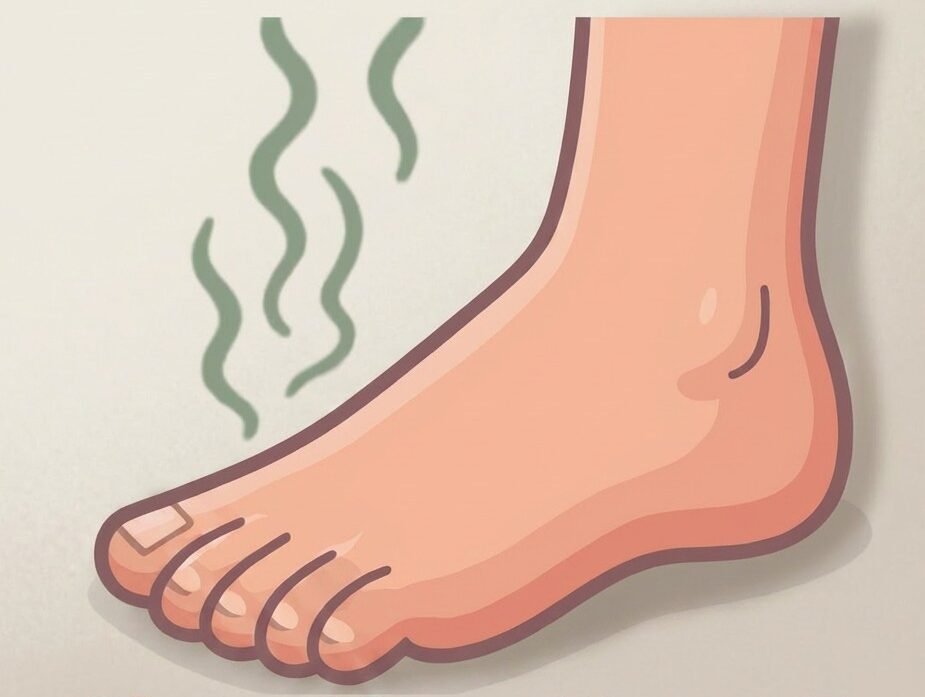
The feet are one of the first areas where signs of circulation problems may become noticeable. Because they are located farthest from the heart, they rely heavily on efficient blood flow to remain healthy.
When circulation becomes impaired due to narrowed or damaged blood vessels, the feet may not receive enough oxygen and nutrients. This can lead to several early warning signs that should not be overlooked.
Common symptoms include:
- A persistent feeling of coldness in the feet
- Numbness or tingling sensations
- Swelling, especially after long periods of standing or sitting
- Changes in skin color, such as pale, bluish, or reddish tones
- Pain or discomfort when walking or being active
These symptoms may seem minor at first, but they can indicate underlying vascular issues that require attention. Because they develop gradually, many people dismiss them as temporary discomfort rather than signs of a deeper problem.
Paying close attention to changes in the feet can provide valuable insight into overall circulatory health. Early detection allows for timely intervention, which can prevent more serious complications later on.
4. Understanding Diabetic Neuropathy and Its Effects
Another important complication associated with diabetes is nerve damage, commonly referred to as diabetic neuropathy. This condition occurs when prolonged high blood sugar levels damage the nerves, particularly those in the extremities such as the feet and hands.
Diabetic neuropathy can significantly reduce the ability to feel sensations such as pain, temperature, or pressure. As a result, individuals may not notice injuries like cuts, blisters, or sores. This lack of awareness can lead to untreated wounds that worsen over time.
At the same time, reduced blood flow caused by damaged blood vessels slows the body’s natural healing process. This creates a dangerous situation where even minor injuries can develop into serious infections.
In severe cases, untreated infections may lead to complications that require extensive medical treatment. This is why proper foot care and regular inspection are critical for individuals living with diabetes.
Understanding the role of nerve damage helps highlight the importance of maintaining stable blood sugar levels and seeking medical advice when unusual symptoms arise.
5. Peripheral Artery Disease (PAD) and Its Connection to Diabetes
Peripheral artery disease, often abbreviated as PAD, is another condition closely linked to both diabetes and heart disease. PAD occurs when arteries that supply blood to the limbs become narrowed due to plaque buildup.
This condition most commonly affects the legs and feet, where reduced circulation can lead to noticeable symptoms during everyday activities.
Typical signs of PAD include:
- Pain or cramping in the legs while walking, which improves with rest
- Slow-healing cuts or wounds on the feet or legs
- Changes in skin texture, such as dryness or thinning
- Unusual changes in skin color
PAD is not just a localized issue—it is often a sign of widespread arterial disease throughout the body. This means that individuals with PAD may also be at higher risk for heart attacks and strokes.
Because PAD can develop without obvious symptoms in its early stages, regular health check-ups are essential for early detection. Identifying the condition early allows for better management and reduces the likelihood of serious complications.
6. Prevention Strategies and Daily Health Practices
Although the connection between diabetes and heart disease is serious, there are many practical steps that can help reduce risk. Prevention focuses on maintaining overall health and managing key factors that contribute to vascular damage.
Some of the most effective strategies include:
Monitoring Blood Sugar Levels
Keeping blood glucose levels within a healthy range is one of the most important steps in preventing complications. Consistent monitoring helps identify patterns and allows for timely adjustments in diet, medication, or lifestyle.
Daily Foot Care
Inspecting the feet every day can help detect small issues before they become major problems. Look for cuts, blisters, redness, or swelling, and address any concerns promptly.
Staying Physically Active
Regular physical activity improves circulation, supports heart health, and helps regulate blood sugar levels. Even moderate activities such as walking can make a significant difference over time.
Maintaining a Balanced Diet
A nutritious diet that includes whole foods, vegetables, lean proteins, and healthy fats supports overall health. Reducing the intake of processed foods and excess sugar can help control blood glucose and cholesterol levels.
Avoiding Smoking
Smoking damages blood vessels and worsens circulation problems. Quitting smoking is one of the most impactful steps for improving cardiovascular health.
Managing Blood Pressure and Cholesterol
High blood pressure and elevated cholesterol levels contribute to artery damage. Regular check-ups and proper management can reduce strain on the heart and blood vessels.
Regular Medical Check-Ups
Routine visits to healthcare professionals allow for early detection of potential issues. Screenings and tests can identify problems before symptoms become severe.
Adopting these habits consistently can significantly lower the risk of complications and improve long-term well-being.
7. The Importance of Foot Health in Overall Wellness
Foot health is often overlooked, yet it plays a crucial role in overall health—especially for individuals with diabetes. The condition of the feet can provide early clues about circulation and nerve function.
Healthy feet are not just about comfort; they are an important indicator of how well the cardiovascular system is functioning. Ignoring early warning signs can lead to complications that affect mobility, independence, and quality of life.
Taking care of the feet involves simple but consistent actions, such as keeping them clean, wearing properly fitting shoes, and addressing any issues promptly. These small steps can prevent larger problems and contribute to better overall health.
8. Conclusion: Taking Control Through Awareness and Action
The relationship between diabetes and heart disease highlights the importance of proactive health management. While the risks are significant, they are not unavoidable.
By understanding how high blood sugar affects the body, recognizing early warning signs, and adopting healthy habits, individuals can take meaningful steps to protect their cardiovascular system.
Awareness is the first step, but consistent action is what makes the difference. Monitoring health, maintaining a balanced lifestyle, and seeking medical guidance when needed can greatly reduce the risk of long-term complications.
Ultimately, caring for your heart begins with caring for your entire body—including your feet. Through informed choices and daily attention to health, it is possible to live well while minimizing risks associated with diabetes and cardiovascular disease.