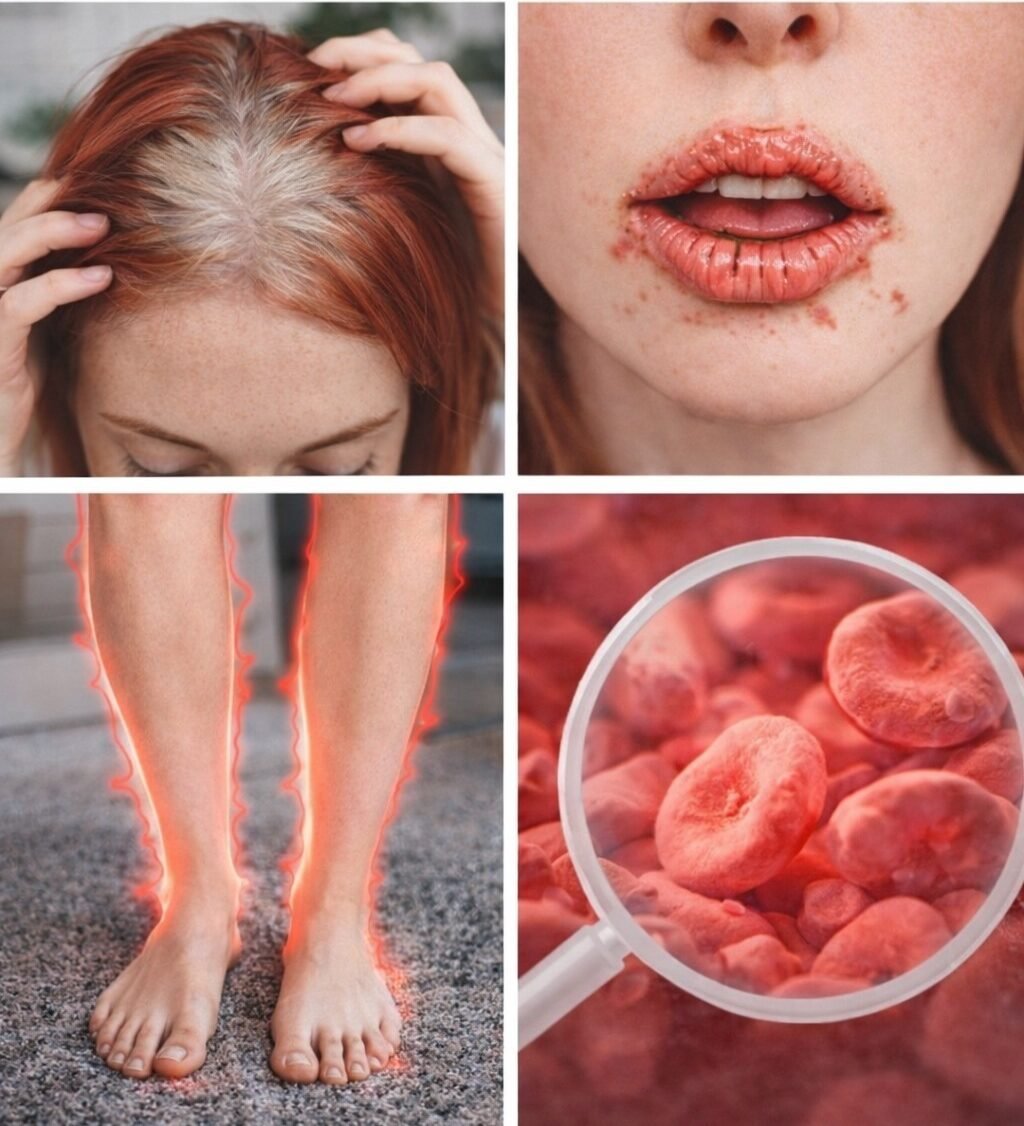
8 Strange Signs Your Body Is Begging for Vitamin B12
You wake up tired even after a full night’s sleep. Your hands and feet tingle for no reason. Small sores appear at the corners of your mouth, and your mood feels off more days than not. These everyday annoyances might seem unrelated, but they could point to something deeper that many people overlook until it worsens. Vitamin B12 plays a quiet but essential role in keeping your nerves healthy, your blood cells strong, and your energy steady. When levels drop too low, strange signals can appear that feel confusing or easy to dismiss.
The good news is that recognizing these early clues can help you take simple steps to support your body. In this article, we’ll explore eight unusual signs that your body might need more attention to vitamin B12. Stick with me until the end—there’s a practical way to start addressing this that might surprise you.

Why Vitamin B12 Matters More Than You Think
Vitamin B12 helps your body make red blood cells, maintain healthy nerve function, and support brain health. Unlike some nutrients, it isn’t made by the body and must come from food or other sources. Many adults get enough through diet, but certain lifestyles, age, or health conditions can make it harder for the body to absorb or maintain adequate levels.
When B12 runs low, symptoms often develop gradually. You might blame stress, aging, or lack of sleep at first. But paying attention to these subtle changes can make a real difference in how you feel day to day.

1. That Persistent “Pins and Needles” Feeling in Your Hands or Feet
One of the more noticeable yet strange signs involves odd sensations in your limbs. You might feel tingling, numbness, or a “pins and needles” prickling that comes and goes, especially in your hands, feet, or legs.
This happens because B12 supports the protective covering around nerves. When levels dip, that protection can weaken over time. Studies and clinical observations note that these sensations often appear before other issues become obvious. If you find yourself shaking out your hands or feet frequently, it’s worth considering as one piece of the bigger picture.
2. Unexplained Thinning Hair or Noticeable Hair Loss
Many people are surprised to learn that hair changes can signal low B12. You might notice more strands in the shower drain, a wider part on your scalp, or overall thinning that seems to come out of nowhere.
B12 plays a role in cell production, including the cells responsible for healthy hair growth. While hair loss has many possible causes, research links certain nutritional shortfalls—including B12—to changes in hair texture and density. It’s not the most common sign, which is why it often gets overlooked.
3. Mouth Sores or Cracks at the Corners of Your Lips
Sore, red patches inside your mouth or small cracks at the corners of your lips can feel irritating and persistent. These areas might burn slightly or make eating uncomfortable.
Observations in health literature point to oral discomfort as another way low B12 can show up. The tongue may also appear smoother or redder than usual. These changes can develop slowly, making them easy to attribute to dry weather, spicy food, or stress instead.

4. Feeling Colder Than Everyone Else in the Room
Do your hands and feet feel chilly even when others around you are comfortable? Some people with lower B12 levels report feeling unusually cold, particularly in their extremities.
This can relate to how B12 helps support healthy red blood cells that carry oxygen. When production is affected, circulation and warmth regulation may feel off. It’s a subtle clue that many don’t connect right away.
5. Brain Fog, Memory Lapses, or Mood Shifts
You walk into a room and forget why. Concentrating feels harder. Or you notice yourself feeling more irritable, anxious, or down without a clear reason.
B12 contributes to brain function and the production of chemicals that influence mood. Research has explored connections between low levels and cognitive changes or shifts in emotional well-being. These “mental” symptoms can feel especially strange because they seem unrelated to physical health at first.
6. Pale or Slightly Yellowish Skin Tone
Looking in the mirror, you might notice your skin looks paler than usual—or even has a subtle yellowish tint in some lighting. This can happen gradually and is often dismissed as tiredness or seasonal changes.
Low B12 can affect red blood cell formation, sometimes leading to a paler appearance or mild changes in skin tone. It’s another sign that develops quietly and deserves attention when paired with fatigue or other clues.
7. Unexpected Weakness or Balance Issues
Climbing stairs feels harder. You might feel unsteady on your feet or notice muscle weakness that wasn’t there before. Some people describe a general sense of shakiness or difficulty with coordination.
These changes tie back to B12’s role in nerve and muscle support. When levels are insufficient, everyday movements can start to feel more effortful. Balance problems, though less common early on, are noted in discussions of neurological effects.
8. Digestive Discomfort That Lingers
Bloating, reduced appetite, or occasional diarrhea can sometimes appear alongside other signs. While digestive issues have many triggers, certain nutritional shortfalls—including B12—have been observed in connection with changes in gut comfort or appetite.
This sign often flies under the radar because it overlaps with so many other common experiences.
Here’s a quick summary of these eight signs for easy reference:
- Tingling or numbness in hands, feet, or legs
- Thinning hair or increased shedding
- Mouth sores or cracks at lip corners
- Feeling unusually cold in hands and feet
- Brain fog, memory issues, or mood changes
- Pale or slightly yellowish skin
- Muscle weakness or balance difficulties
- Persistent digestive discomfort or low appetite
-
What Can You Do If You Notice These Signs?
The first step is always to talk with your healthcare provider. A simple blood test can check your B12 levels and help rule out other causes. Symptoms like these can overlap with many conditions, so professional guidance is important.
If your doctor confirms that supporting your B12 intake makes sense, here are some practical ways to start:
- Focus on food sources — Include animal-based options like beef, liver, fish (such as salmon or tuna), eggs, dairy products, and poultry. These provide B12 in a form your body can use well.
- Consider fortified foods — If you follow a plant-based diet, look for breakfast cereals, nutritional yeast, or plant milks labeled as fortified with B12.
- Be mindful of absorption — Certain medications (like long-term heartburn drugs) or digestive conditions can affect how well your body takes in B12. Your doctor can discuss this with you.
- Track how you feel — Keep a simple note of symptoms and any dietary changes. This helps when following up with your provider.
Many people notice gradual improvements in energy and well-being when they consistently support their B12 levels through diet or appropriate supplementation under medical advice.
-
Frequently Asked Questions
Can low vitamin B12 cause hair loss? Some research and clinical reports link insufficient B12 to changes in hair growth or increased shedding. It’s not the only cause, but it’s one factor worth checking if other signs are present.
How long does it take to notice improvements after increasing B12 intake? Everyone is different. Some people report feeling more energetic within a few weeks, while nerve-related sensations may take longer to ease. Your doctor can monitor progress with follow-up tests.
Who is most at risk for low vitamin B12? Older adults, people following strict vegan or vegetarian diets without fortified foods, and those with certain digestive conditions or who take specific medications may have a higher chance of lower levels.

Final Thoughts
Your body has clever ways of signaling when something needs attention. Those strange tingling sensations, unexpected hair changes, or lingering mouth discomfort might be more connected than they seem. By staying curious and proactive, you can support your energy, nerves, and overall well-being in simple, everyday ways.
Remember, this information is for educational purposes only and is not a substitute for professional medical advice. Always consult your healthcare provider for personalized guidance, testing, and recommendations tailored to your health needs.