Safe Home Remedies for Warts: What Works, What Doesn’t, and What to Expect
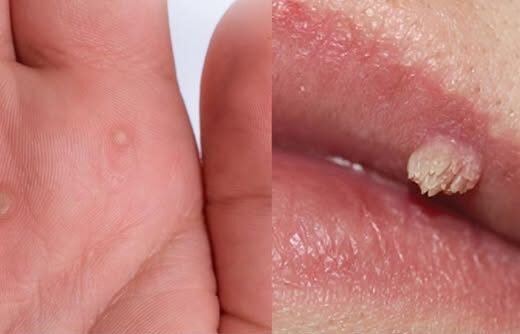
At first glance, they don’t appear alarming or urgent. They usually emerge as small, rough growths on the skin—barely noticeable in the beginning. Because they are typically painless and slow to develop, most people don’t feel an immediate need to address them. This lack of urgency is exactly why warts tend to linger longer than expected.
What starts as something insignificant can gradually become bothersome.
Over time, these small skin growths may increase in size, multiply, or appear in more visible areas. While they might not cause physical discomfort, they can lead to irritation, inconvenience, or even self-consciousness. By the time many individuals decide to take action, their primary goal is often to find a solution that works quickly and effectively.
This is where natural and home-based remedies enter the conversation.
For generations, people have turned to simple treatments made from everyday household items. These methods are often appealing because they are accessible, affordable, and easy to try without specialized equipment or procedures. Some individuals strongly believe in their effectiveness, while others experiment with them after conventional options fail to deliver results.
The reality, however, is not entirely one-sided.
Different remedies produce different outcomes depending on the individual. Factors such as skin type, immune response, and the nature of the wart itself all play a role. While some approaches are supported by limited scientific evidence, many are based on anecdotal success stories. Still, a significant number of people report noticeable improvements when they follow these methods consistently over time.
That consistency is essential.
One of the most important things to understand about natural wart treatments is that they are not immediate solutions. Unlike certain medical procedures designed for rapid removal, home remedies tend to work gradually. In many cases, it may take several weeks—or even longer—before visible progress becomes apparent.
This slow pace can be discouraging.
However, those who remain patient and committed often find that these methods can provide a practical alternative to more invasive treatments. Rather than relying on harsh chemicals or clinical interventions, natural approaches focus on supporting the body’s own processes while gently targeting the wart.
Among the most commonly discussed remedies is apple cider vinegar.
This ingredient is frequently recommended due to its acidic properties. It contains acetic acid, which is believed to help break down the tissue that forms a wart. In addition, it may offer mild antiviral effects that can assist in addressing the underlying cause.
Using it is relatively simple.
Typically, a small amount of apple cider vinegar is applied to a cotton ball, which is then placed directly on the wart and secured with a bandage. This is often left in place overnight. Over repeated applications, the vinegar may gradually weaken the wart’s structure.
The changes are usually subtle at first.
With consistent use, some individuals notice the wart becoming darker, smaller, or drier. Eventually, it may shrink and disappear. While the process is not immediate, it can be effective for those who stick with it.
Another remedy that often captures attention is garlic.
Although it is best known as a cooking ingredient, garlic also possesses strong natural properties. It has antiviral, antibacterial, and antifungal characteristics, making it a versatile option for various skin concerns.
When used for warts, fresh garlic is typically crushed and applied directly to the affected area.
This allows its active compounds to interact with the wart. However, like many natural treatments, results depend heavily on consistency. Applying garlic for a few hours each day over a period of weeks is often necessary before any meaningful changes are observed.
There are a few downsides to consider.
Garlic has a strong odor that some people may find unpleasant. It can also produce a tingling or burning sensation, particularly on sensitive skin. Despite this, many individuals continue using it due to its potential effectiveness.
In contrast, some remedies take a gentler approach.
Banana peel, for example, is often considered one of the simplest and least irritating options. While it may seem unconventional, the inner portion of a banana peel contains compounds that could help soften and break down wart tissue over time.
The method is straightforward.
A piece of banana peel is placed against the wart, typically overnight, and repeated daily. This routine is easy to maintain and does not usually cause discomfort, making it a suitable choice for individuals with sensitive skin.
Its simplicity is part of its appeal.
While it may not produce dramatic or rapid results, it allows for consistent treatment without causing irritation. For some, this makes it easier to follow through with the process long enough to see improvement.
Another widely used natural remedy is tea tree oil.
This essential oil is known for its antiseptic and antiviral qualities. When applied to a wart, it may help dry out the tissue and create conditions that are less favorable for viral activity.
However, caution is necessary.
Tea tree oil is potent and can irritate the skin if used in its pure form. To reduce the risk of irritation, it is often diluted with a carrier oil such as coconut or olive oil before application.
When used carefully and regularly, it can become part of a consistent treatment routine.
Applying it once or twice daily may gradually lead to changes in the wart’s appearance. As with other remedies, patience and persistence are key.
Aloe vera offers yet another alternative.
Known for its soothing properties, aloe vera is commonly used to treat burns and skin irritation. It also contains compounds that may contribute to the gradual breakdown of wart tissue.
Fresh aloe gel can be applied directly to the affected area.
Unlike stronger remedies, it typically does not cause stinging or discomfort. This makes it an appealing option for those who prefer a milder approach.
Its effects may be less noticeable in the short term.
However, with consistent use, it can support the healing process while minimizing irritation. For individuals with delicate or sensitive skin, this can be a significant advantage.
One of the more unusual methods involves the use of duct tape.
Despite its simplicity, this technique has gained attention for its potential effectiveness. It works through a process known as occlusion, which involves covering the wart completely to limit exposure to air.
This may trigger the body’s immune response.
The idea is that by irritating the area slightly, the body becomes more aware of the wart and begins to target it. The process typically involves leaving the tape in place for several days, then removing it, soaking the area, and gently exfoliating before repeating the cycle.
It is not the most conventional approach.
However, some people have reported positive outcomes with consistent use. Like other methods, it requires patience and repetition.
Across all of these options, one principle remains constant.
Consistency is more important than the specific remedy chosen. Trying a method once or twice is unlikely to produce noticeable results. These approaches depend on regular application and gradual progress over time.
Even with dedication, results can vary.
Some warts respond quickly and disappear within weeks. Others may persist despite ongoing treatment. Factors such as size, location, and depth all influence how a wart reacts to different remedies.
This is why it is important to stay attentive.
Monitoring how the skin responds can help prevent unnecessary irritation or complications. Mild redness or sensitivity may be normal, but more severe reactions—such as intense burning, swelling, or pain—should not be ignored.
If such symptoms occur, it is best to stop the treatment and reassess.
Another important precaution is to avoid picking or scratching the wart. While it may be tempting, doing so can spread the virus to other areas of the skin, leading to additional warts.
Maintaining good hygiene is also essential.
Keeping the affected area clean and dry can help reduce the risk of spreading the condition. Simple habits, such as washing hands regularly and avoiding direct contact with the wart, can make a meaningful difference.
Equally important is knowing when home treatment is not enough.
Not all warts are suitable for self-care. Those that are painful, rapidly changing, or located in sensitive areas may require professional evaluation. In such cases, medical treatments can provide more reliable and faster results.
Home remedies should not replace proper medical advice.
They are best viewed as an initial option for minor cases. For many people, they offer a way to address the issue without immediately resorting to more aggressive methods.
However, they do require patience.
In a world where quick solutions are often expected, waiting for gradual improvement can feel frustrating. It may seem as though nothing is happening, even when subtle changes are taking place beneath the surface.
This is where persistence becomes important.
Small, consistent efforts can lead to meaningful results over time. While the process may be slow, it often reflects the body’s natural ability to heal and adapt.
Warts may appear to be a minor issue.
Yet dealing with them highlights a broader lesson. Not every problem requires an immediate or dramatic solution. Sometimes, a steady and simple approach is enough.
The key is to remain consistent, observant, and patient.
Progress may not happen overnight. It may not be obvious at first. But with time, many individuals find that these methods can lead to gradual improvement.
And in many cases, that is what ultimately makes the difference.